China Lithium Ion Battery Manufacturer For Residential Use
Residential storage selection starts with load profile, backup circuits, PV and inverter architecture, usable kWh, power, installation environment, communications and local approval—not cell capacity alone.
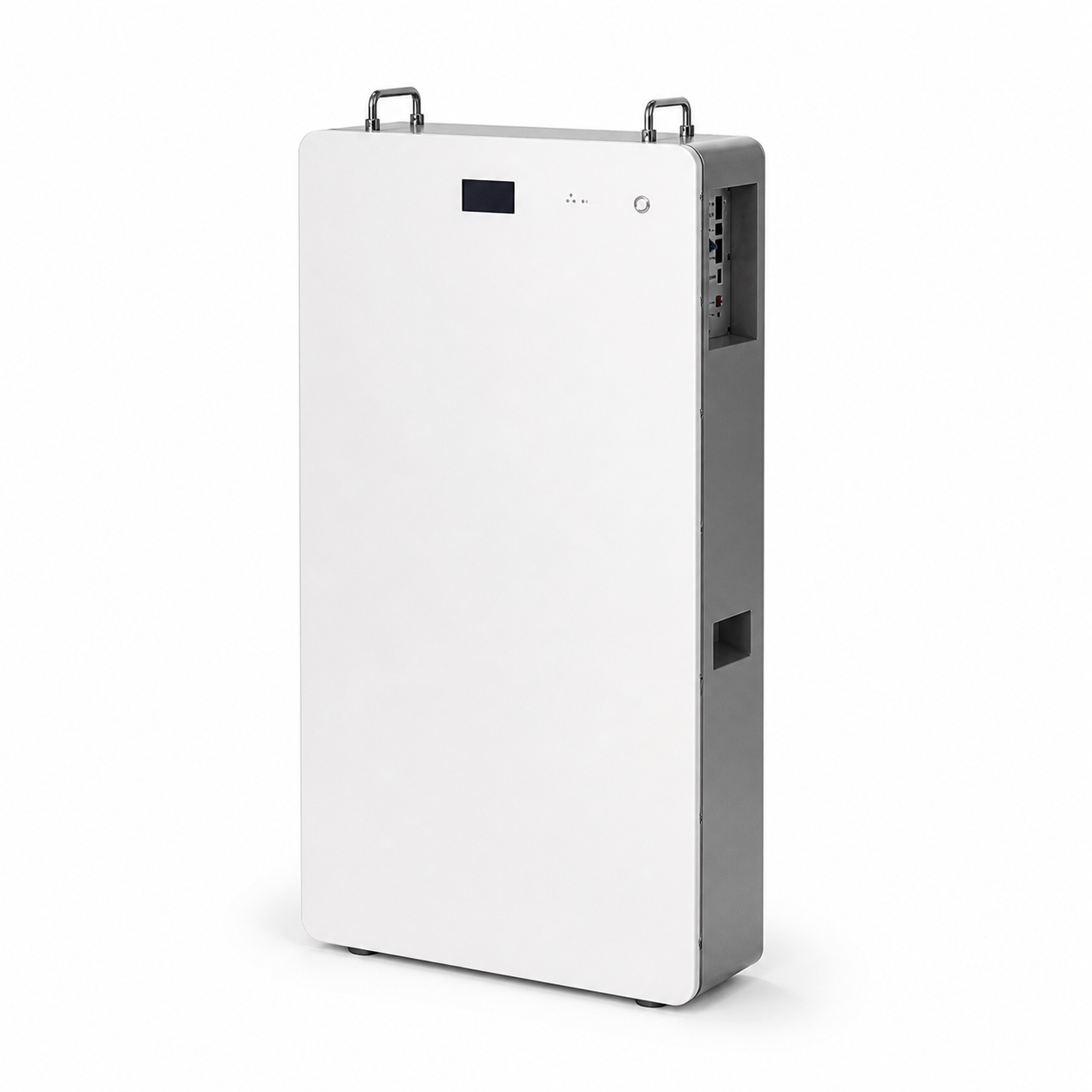
The answer depends on a controlled set of inputs.
Residential storage selection starts with load profile, backup circuits, PV and inverter architecture, usable kWh, power, installation environment, communications and local approval—not cell capacity alone.
| Battery | Cells/modules, BMS and operating limits |
|---|---|
| Power conversion | Inverter or PCS scope and DC window |
| Controls | EMS, communication, alarms and curtailment |
| Site boundary | Switchgear, thermal/fire controls and approval |
Use this four-gate review
Model the load, PV and required usable kWh over time.
Set charge/discharge kW, transients and thermal limits.
Confirm PCS/inverter voltage, protocol and operating responsibility.
Review enclosure, installation, protection, fire plan and expansion.
Procurement output
Record assumptions, model and revision, operating limits, responsibilities, evidence gaps and approval owners. The result should be a decision that engineering, quality, purchasing and logistics can review together.
Sources and scope
- US EPA BESS safety considerations — accessed September 3, 2026.
Standards, carrier rules, prices and import requirements change. Confirm the current edition and the exact product, route and market before acting.
Turn the decision into a reviewable battery specification.
Send the application, voltage window, load, runtime, space, interfaces, environment, quantity, destination and required documents.