Custom 12V Lithium Battery Pack
DIY assembly may be a personal experiment, but a battery used in commercial equipment needs professional design ownership, controlled production and documented verification. This page does not provide welding or wiring instructions.
By Batteries To Spec Technical Editorial Team · Updated September 3, 2026
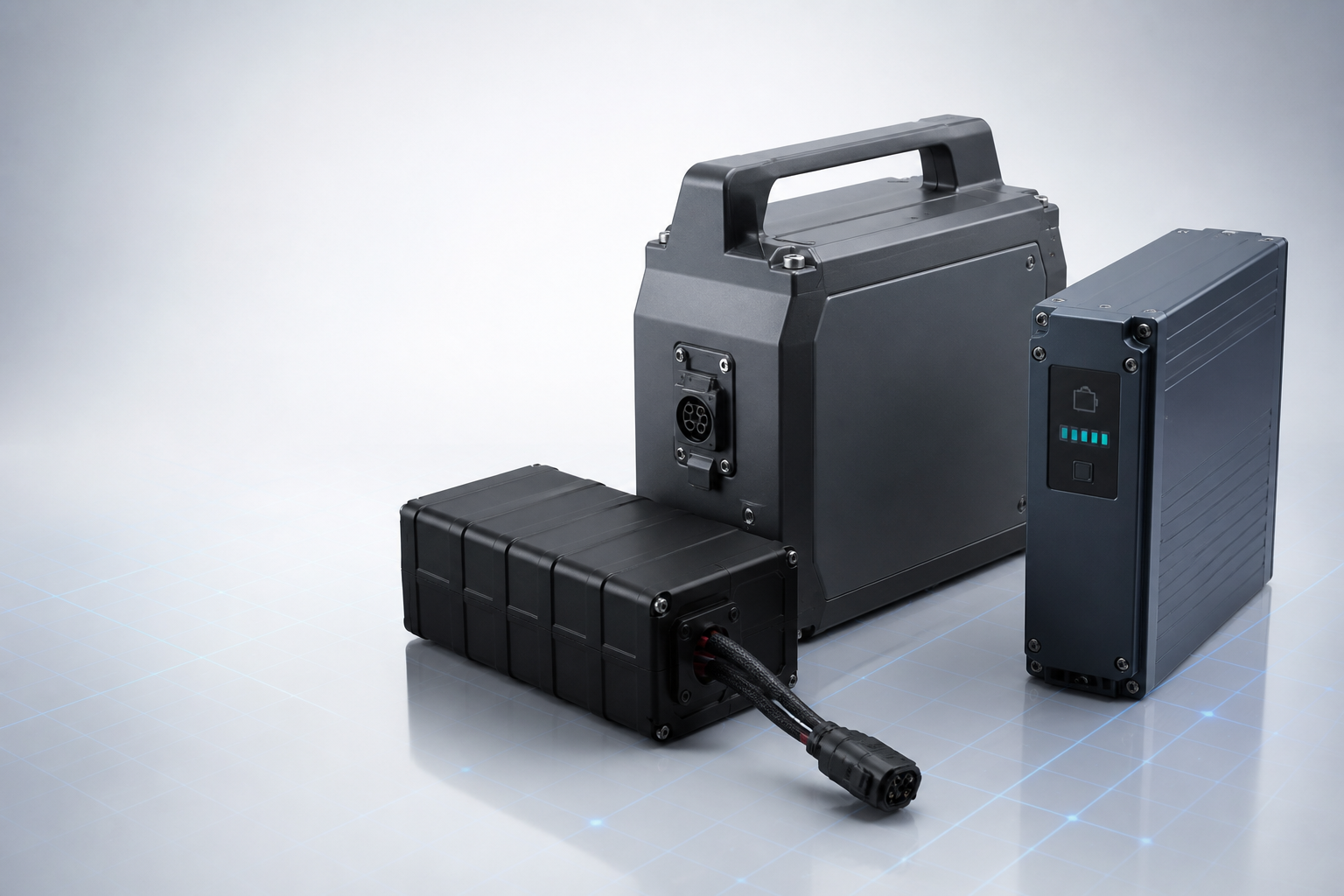
Resolve the decision before selecting a model.
DIY assembly may be a personal experiment, but a battery used in commercial equipment needs professional design ownership, controlled production and documented verification. This page does not provide welding or wiring instructions.
| First input | Application and measurable duty profile |
|---|---|
| Electrical | Voltage window, energy, continuous and peak current |
| Mechanical | Space, mass, mounting, connectors and environment |
| Commercial | Sample quantity, forecast, destination and evidence |
Practical review checklist
Define the application, duty, voltage, runtime and environment.
Select cells, BMS, current path, enclosure and interfaces together.
Agree samples, test conditions, acceptance and documents.
Freeze BOM, drawings, configuration and change control.
What to request from a supplier
Ask for a model-specific specification, electrical and mechanical limits, BMS or interface definition, current test evidence, document list, sample plan and change-control route. Keep open items visible rather than replacing them with a generic promise.
What this page does not prove
It does not certify an unnamed battery, approve a host system, guarantee a carrier route or establish a quotation without the exact model, destination and date.
Turn the decision into a reviewable battery specification.
Send the application, voltage window, load, runtime, space, interfaces, environment, quantity, destination and required documents.