Lithium Ion Versus Lithium Polymer Battery
LiPo usually describes a pouch-format lithium-ion cell, while “lithium-ion” spans several chemistries and formats. Compare voltage, energy, power, swelling allowance, enclosure, life, sourcing and validation for the actual device.
By Batteries To Spec Technical Editorial Team · Updated September 3, 2026
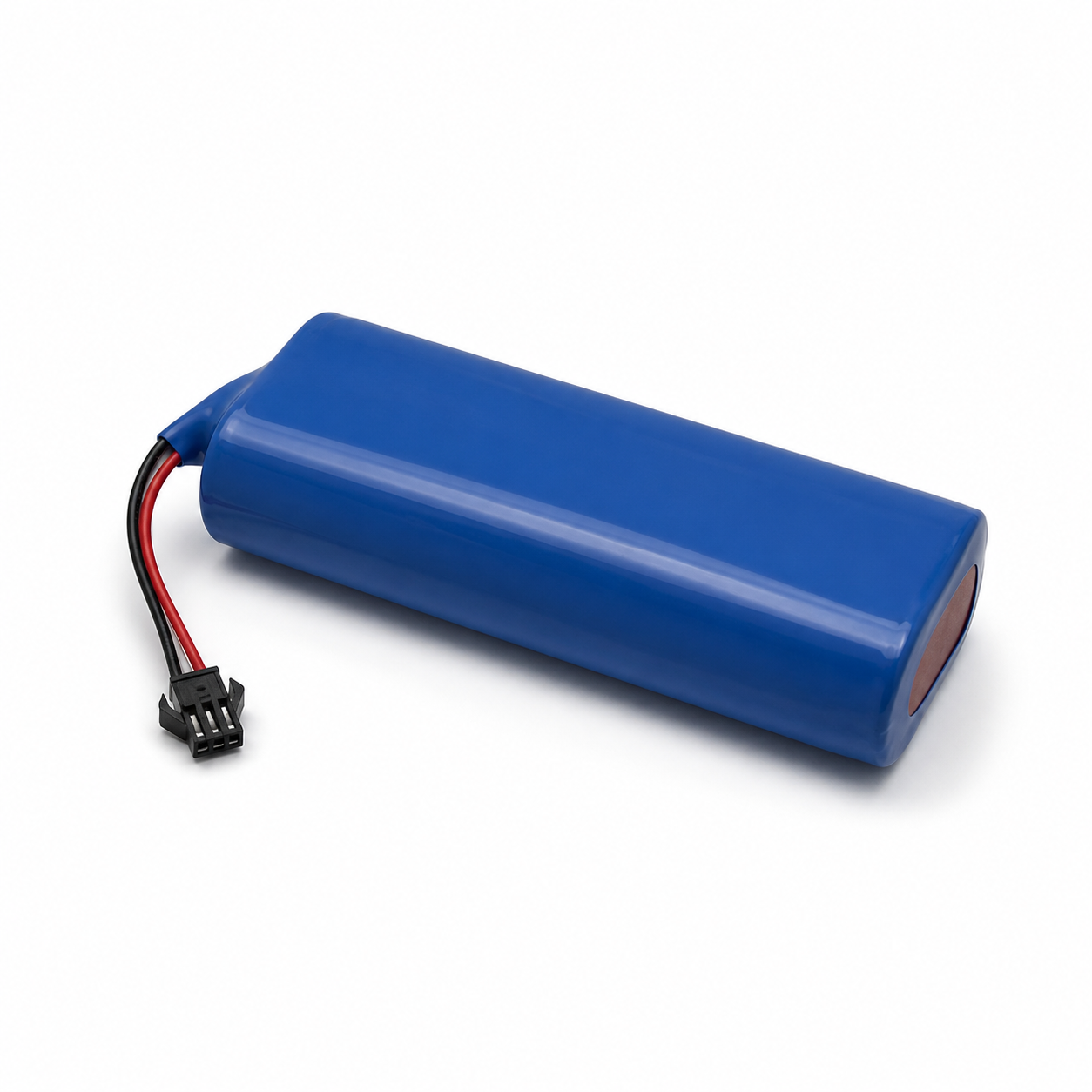
Resolve the decision before selecting a model.
LiPo usually describes a pouch-format lithium-ion cell, while “lithium-ion” spans several chemistries and formats. Compare voltage, energy, power, swelling allowance, enclosure, life, sourcing and validation for the actual device.
| Cell is not pack | Pack behavior includes BMS, conductors, enclosure and controls |
|---|---|
| Comparison basis | Use identical duty and measurement boundaries |
| Mechanical effect | Format changes restraint, cooling and service design |
| Evidence | Exact cell and pack revision |
Practical review checklist
Verify chemistry, format, supplier and exact model.
Set series/parallel, interconnect, restraint and insulation.
Compare energy, power, temperature, aging and swelling.
Control qualification, continuity, substitution and change evidence.
What to request from a supplier
Ask for a model-specific specification, electrical and mechanical limits, BMS or interface definition, current test evidence, document list, sample plan and change-control route. Keep open items visible rather than replacing them with a generic promise.
What this page does not prove
It does not certify an unnamed battery, approve a host system, guarantee a carrier route or establish a quotation without the exact model, destination and date.
Turn the decision into a reviewable battery specification.
Send the application, voltage window, load, runtime, space, interfaces, environment, quantity, destination and required documents.