Charging Lithium Batteries With Solar
A solar panel should not be connected directly to an unqualified pack. Use a compatible charge controller and coordinate PV input, battery chemistry, voltage/current limits, temperature and BMS disconnect behavior.
By Batteries To Spec Technical Editorial Team · Updated September 3, 2026
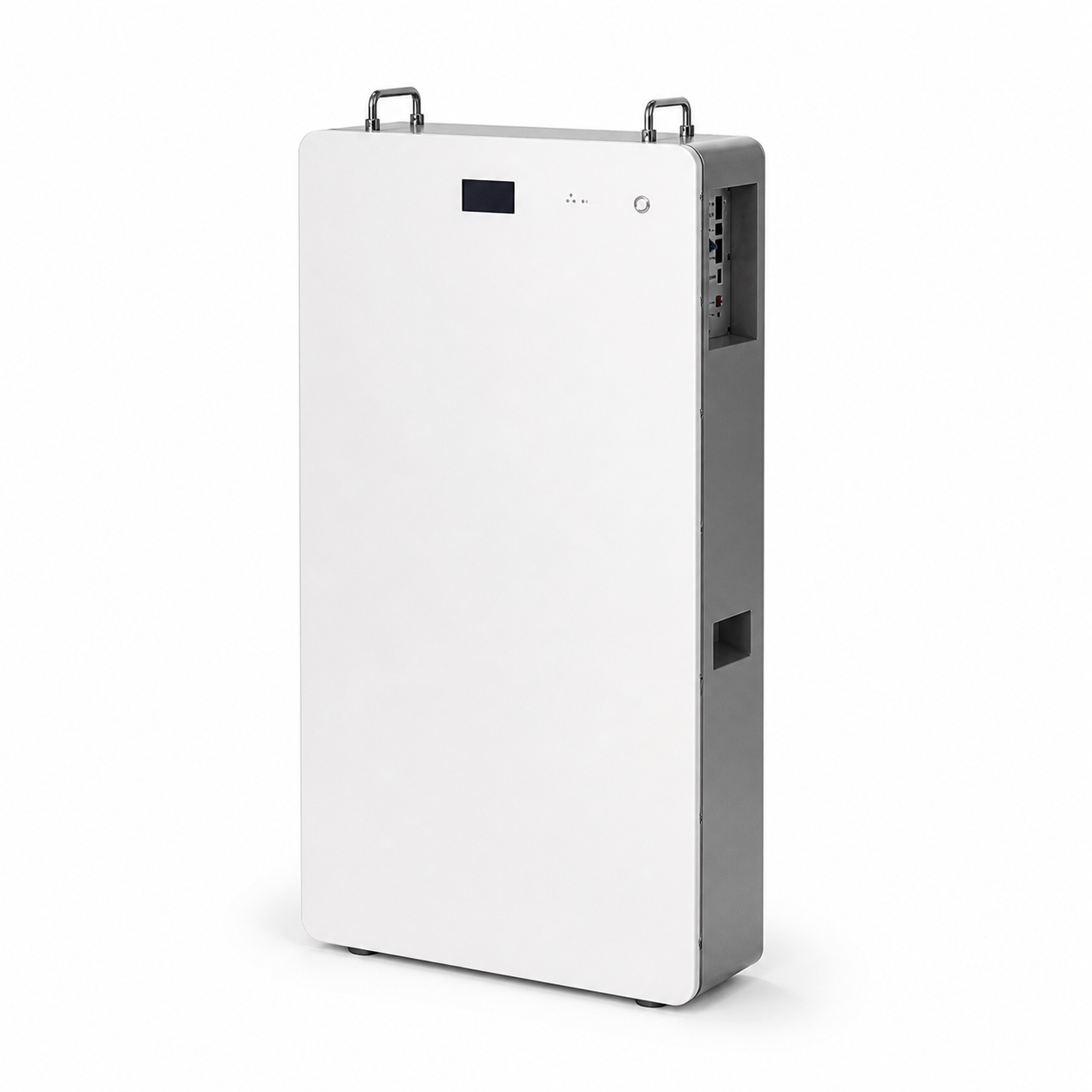
Resolve the decision before selecting a model.
A solar panel should not be connected directly to an unqualified pack. Use a compatible charge controller and coordinate PV input, battery chemistry, voltage/current limits, temperature and BMS disconnect behavior.
| Battery | Cells/modules, BMS and operating limits |
|---|---|
| Power conversion | Inverter or PCS scope and DC window |
| Controls | EMS, communication, alarms and curtailment |
| Site boundary | Switchgear, thermal/fire controls and approval |
Practical review checklist
Model the load, PV and required usable kWh over time.
Set charge/discharge kW, transients and thermal limits.
Confirm PCS/inverter voltage, protocol and operating responsibility.
Review enclosure, installation, protection, fire plan and expansion.
What to request from a supplier
Ask for a model-specific specification, electrical and mechanical limits, BMS or interface definition, current test evidence, document list, sample plan and change-control route. Keep open items visible rather than replacing them with a generic promise.
What this page does not prove
It does not certify an unnamed battery, approve a host system, guarantee a carrier route or establish a quotation without the exact model, destination and date.
Sources and scope
- US EPA BESS safety considerations — accessed September 3, 2026.
Standards, carrier rules, prices and import requirements change. Confirm the current edition and the exact product, route and market before acting.
Turn the decision into a reviewable battery specification.
Send the application, voltage window, load, runtime, space, interfaces, environment, quantity, destination and required documents.