Li Ion Battery Capacity
Ah measures charge and Wh measures nominal energy; usable runtime additionally depends on the operating voltage window, efficiency, rate, temperature, aging and reserve.
By Batteries To Spec Technical Editorial Team · Updated September 3, 2026
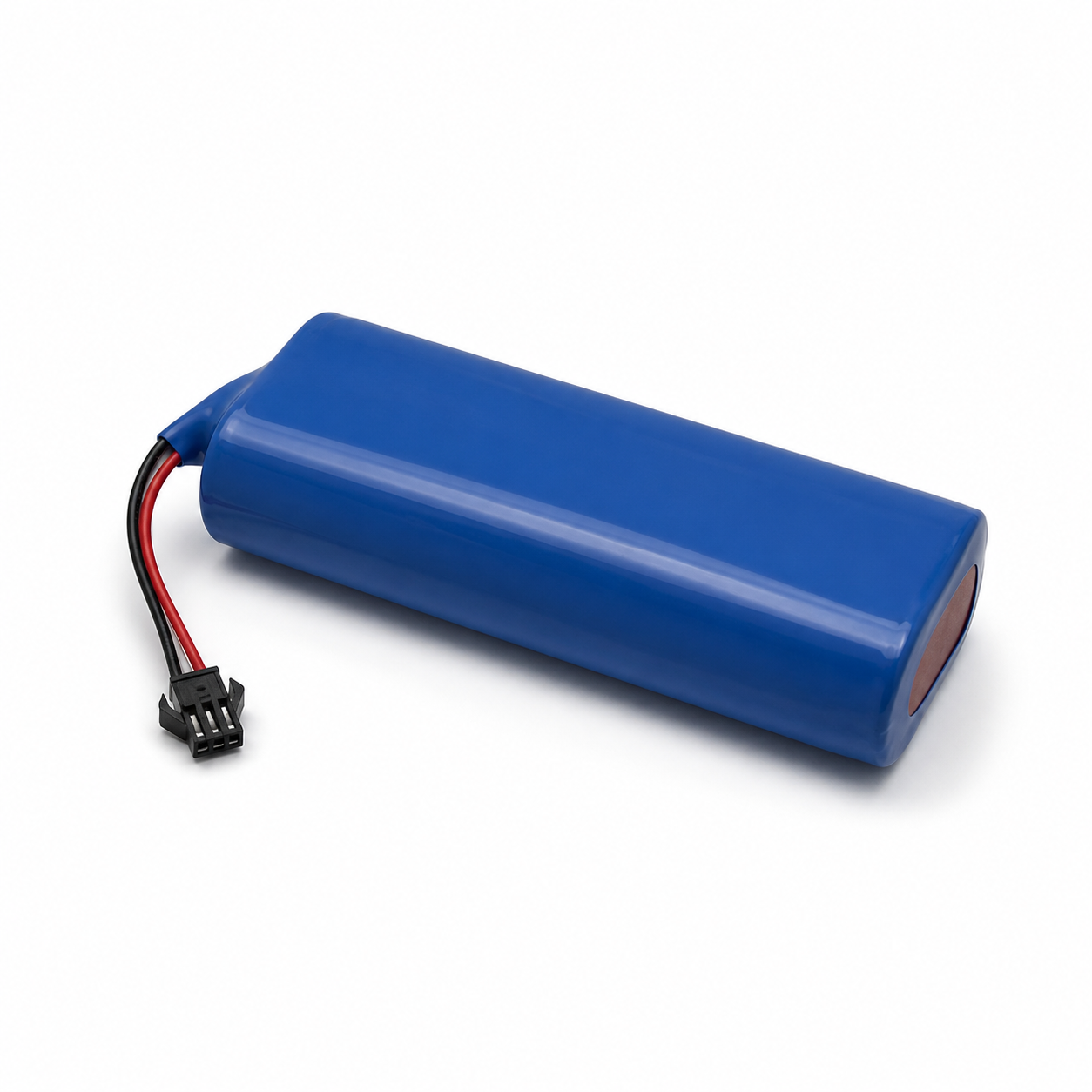
Resolve the decision before selecting a model.
Ah measures charge and Wh measures nominal energy; usable runtime additionally depends on the operating voltage window, efficiency, rate, temperature, aging and reserve.
| Voltage | A state variable, not proof of capacity |
|---|---|
| Capacity | Requires a controlled energy or charge test |
| Resistance | Method- and condition-dependent |
| Safety | Stay within equipment and personnel ratings |
Practical review checklist
Define the quantity, instrument and test method.
Control SOC, temperature, rest, load and contacts.
Separate cell, module and complete-pack results.
Compare with a model baseline and repeatability criteria.
What to request from a supplier
Ask for a model-specific specification, electrical and mechanical limits, BMS or interface definition, current test evidence, document list, sample plan and change-control route. Keep open items visible rather than replacing them with a generic promise.
What this page does not prove
It does not certify an unnamed battery, approve a host system, guarantee a carrier route or establish a quotation without the exact model, destination and date.
Sources and scope
- Keysight battery internal-resistance measurement — accessed September 3, 2026.
Standards, carrier rules, prices and import requirements change. Confirm the current edition and the exact product, route and market before acting.
Turn the decision into a reviewable battery specification.
Send the application, voltage window, load, runtime, space, interfaces, environment, quantity, destination and required documents.