Lithium Ion Versus Lead Acid Batteries
Lithium-ion can reduce mass and change usable energy or maintenance, but replacement suitability depends on charger, voltage window, surge, BMS cutoff, temperature, mechanical fit, ballast and lifecycle economics.
By Batteries To Spec Technical Editorial Team · Updated September 3, 2026
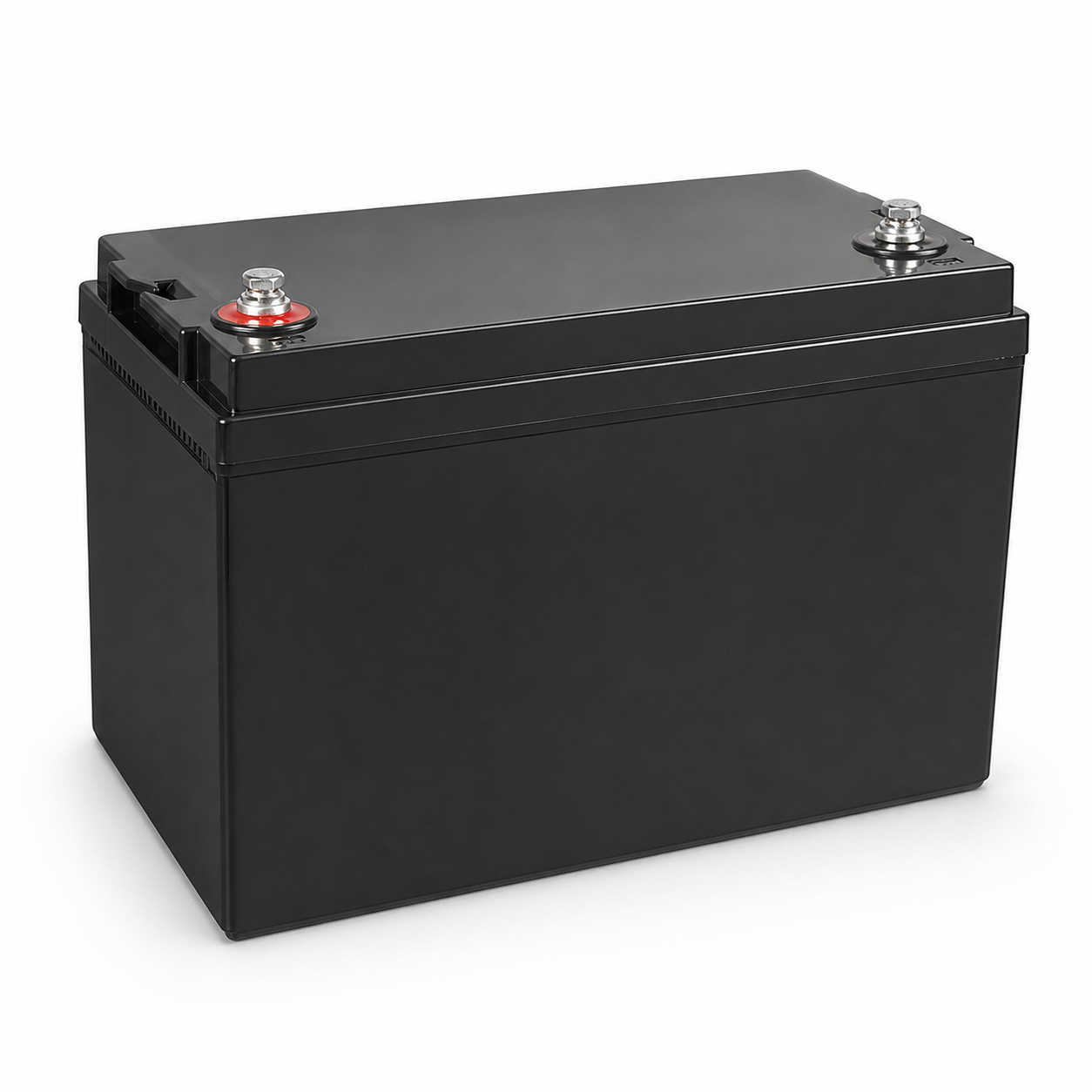
Resolve the decision before selecting a model.
Lithium-ion can reduce mass and change usable energy or maintenance, but replacement suitability depends on charger, voltage window, surge, BMS cutoff, temperature, mechanical fit, ballast and lifecycle economics.
| Not drop-in | Same voltage or case does not prove compatibility |
|---|---|
| Charging | Lead-acid profiles may not suit lithium |
| System behavior | BMS disconnect changes fault and low-energy behavior |
| Application | Forklift, UPS, marine and other uses need separate reviews |
Practical review checklist
Identify original battery, duty and owner approval.
Check voltage, charger/float, surge and cutoff.
Check tray, terminals, restraint, mass and ballast.
Test BMS behavior, temperature and abnormal states.
What to request from a supplier
Ask for a model-specific specification, electrical and mechanical limits, BMS or interface definition, current test evidence, document list, sample plan and change-control route. Keep open items visible rather than replacing them with a generic promise.
What this page does not prove
It does not certify an unnamed battery, approve a host system, guarantee a carrier route or establish a quotation without the exact model, destination and date.
Turn the decision into a reviewable battery specification.
Send the application, voltage window, load, runtime, space, interfaces, environment, quantity, destination and required documents.