LiFePO4 UPS Battery
A lithium battery can replace an existing UPS battery only after the UPS owner or integrator verifies DC-bus range, charger/float behavior, discharge rate, cutoff, cabinet, communication and system approval.
By Batteries To Spec Technical Editorial Team · Updated September 3, 2026
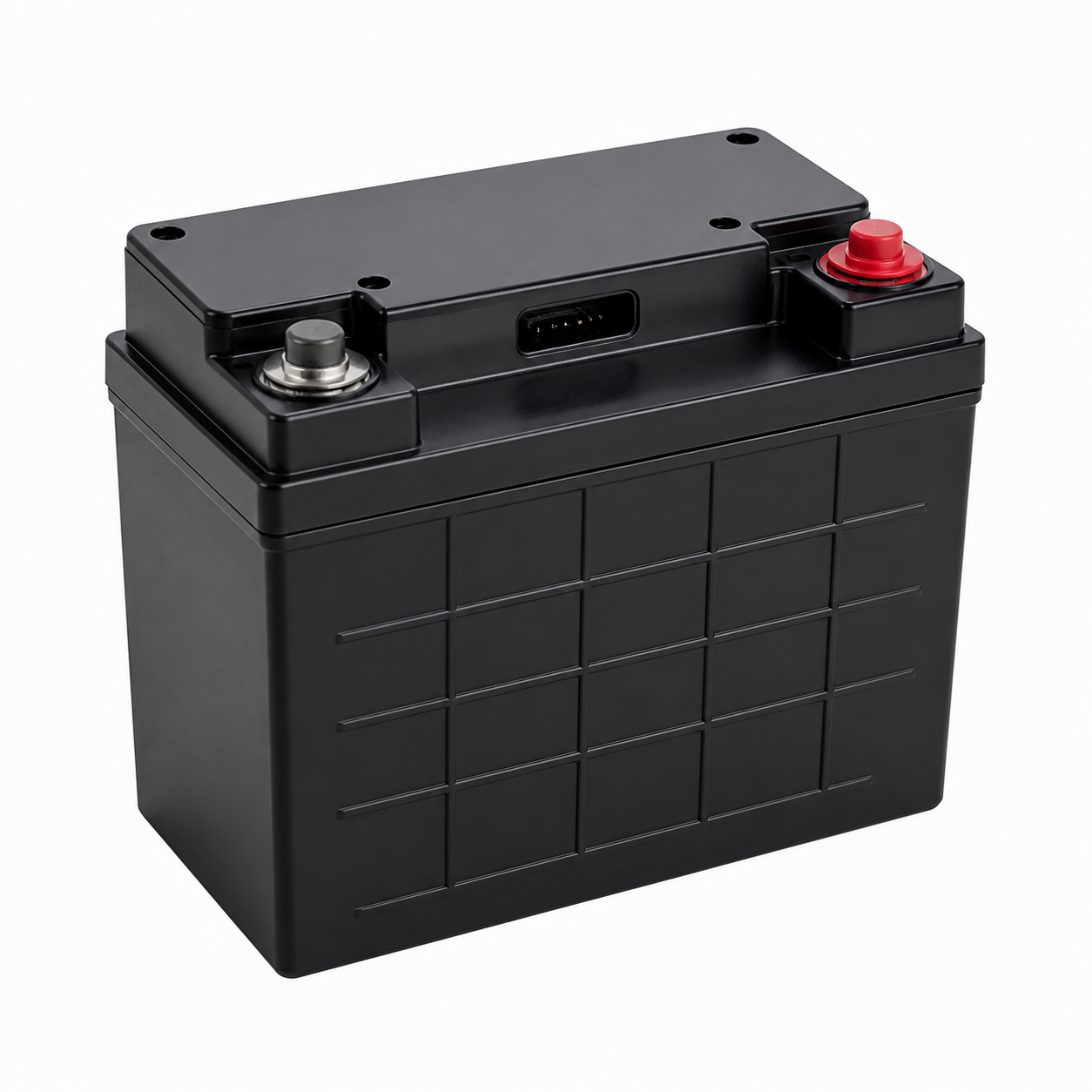
Resolve the decision before selecting a model.
A lithium battery can replace an existing UPS battery only after the UPS owner or integrator verifies DC-bus range, charger/float behavior, discharge rate, cutoff, cabinet, communication and system approval.
| Runtime basis | Actual load, efficiency, rate and reserve |
|---|---|
| Battery boundary | Battery-only supply does not include the UPS host |
| Controls | BMS, dry contacts or protocol and site monitoring |
| Approval | Host and facility owners retain system validation |
Practical review checklist
Record kW/VA, power factor, peaks and runtime.
Confirm bus range, cutoff and battery architecture.
Review charge/float behavior, time target and redundancy.
Validate cabinet, monitoring, alarms and fault isolation.
What to request from a supplier
Ask for a model-specific specification, electrical and mechanical limits, BMS or interface definition, current test evidence, document list, sample plan and change-control route. Keep open items visible rather than replacing them with a generic promise.
What this page does not prove
It does not certify an unnamed battery, approve a host system, guarantee a carrier route or establish a quotation without the exact model, destination and date.
Turn the decision into a reviewable battery specification.
Send the application, voltage window, load, runtime, space, interfaces, environment, quantity, destination and required documents.