Lithium Battery Certification
There is no single universal lithium-battery certificate. Build a model-level matrix by product layer, application, destination, transport mode, standard edition, report/certificate and issuing body.
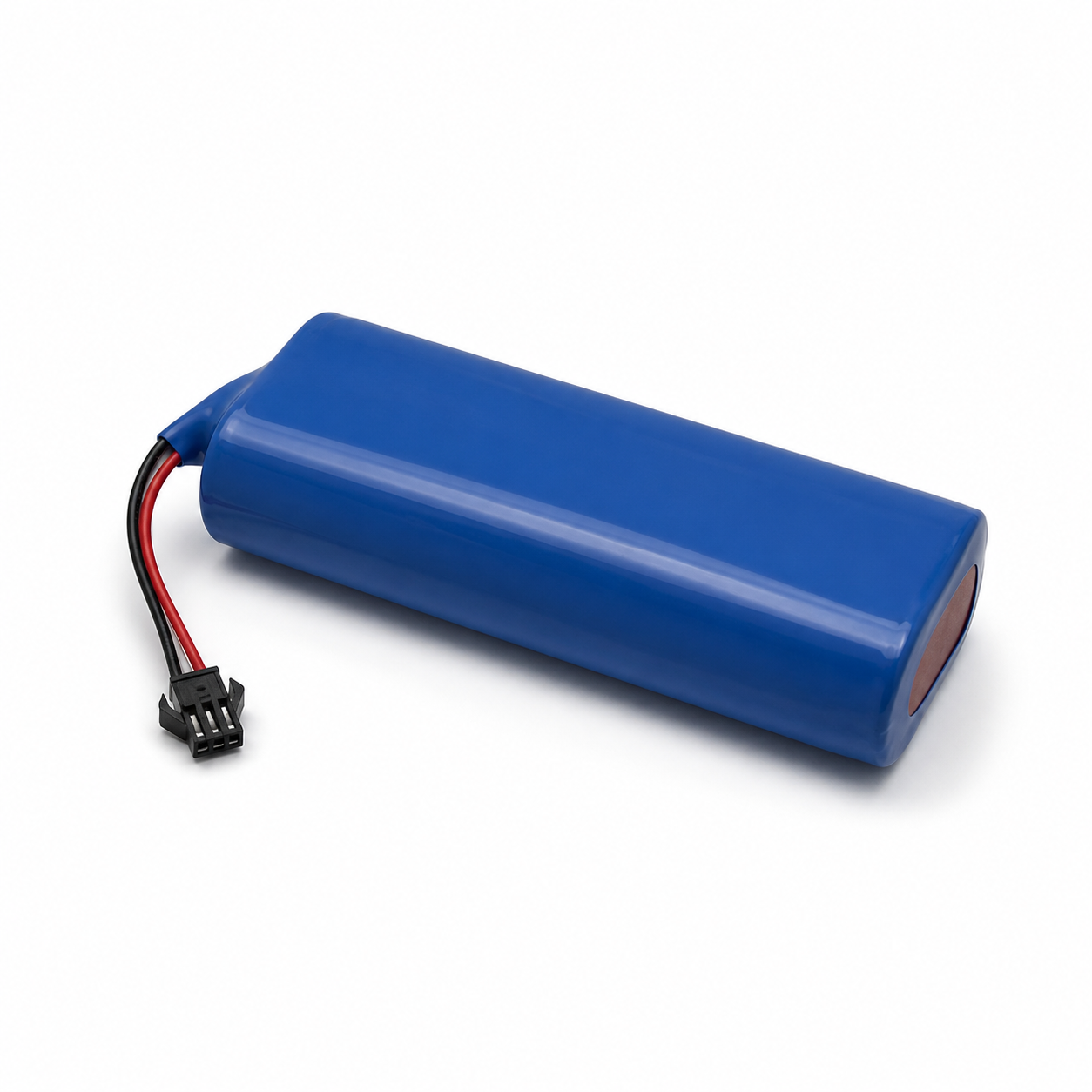
The answer depends on a controlled set of inputs.
There is no single universal lithium-battery certificate. Build a model-level matrix by product layer, application, destination, transport mode, standard edition, report/certificate and issuing body.
| Do not generalize | Cell, pack and end-product evidence are separate |
|---|---|
| Model control | Name, revision, manufacturer and production scope |
| Adjacent requirements | Transport and terminal-product rules may still apply |
| Buyer output | A dated evidence matrix, not a logo |
Use this four-gate review
Identify product layer, application and target market.
Record the standard edition, amendment and national adoption.
Match certificate, report and directory record to model and manufacturing scope.
Assess cell, BMS, firmware, structure and production changes before reuse.
Procurement output
Record assumptions, model and revision, operating limits, responsibilities, evidence gaps and approval owners. The result should be a decision that engineering, quality, purchasing and logistics can review together.
Sources and scope
- IEC 62133-2 official scope — accessed September 3, 2026.
- IEC 62619 official scope — accessed September 3, 2026.
Standards, carrier rules, prices and import requirements change. Confirm the current edition and the exact product, route and market before acting.
Turn the decision into a reviewable battery specification.
Send the application, voltage window, load, runtime, space, interfaces, environment, quantity, destination and required documents.