Lithium Ion Battery Charging
Use a charger profile approved for the exact chemistry and series count. Coordinate CC/CV stages, charge current, termination, temperature limits and BMS behavior; a BMS is not a charger.
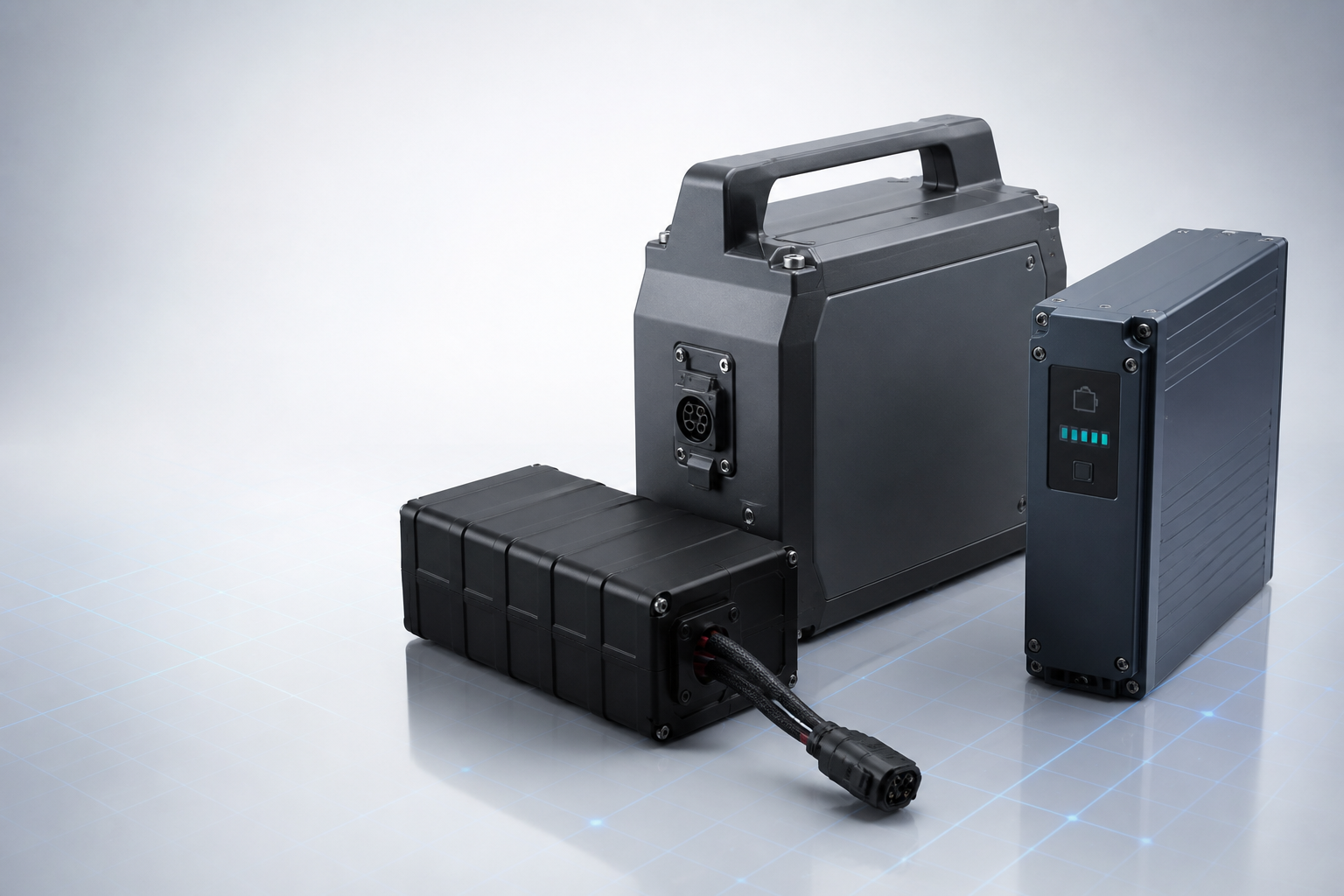
The answer depends on a controlled set of inputs.
Use a charger profile approved for the exact chemistry and series count. Coordinate CC/CV stages, charge current, termination, temperature limits and BMS behavior; a BMS is not a charger.
| Charger role | Controlled voltage and current delivery |
|---|---|
| BMS role | Monitoring, protection and permission/limits where designed |
| Compatibility | Exact battery/charger combination |
| Storage | Separate maintenance strategy from normal charging |
Use this four-gate review
Confirm cell system, series count and voltage limits.
Define precharge if applicable, CC, CV and termination.
Set sensing, inhibit and derating behavior.
Validate charger, BMS and host under normal and fault cases.
Procurement output
Record assumptions, model and revision, operating limits, responsibilities, evidence gaps and approval owners. The result should be a decision that engineering, quality, purchasing and logistics can review together.
Sources and scope
- Analog Devices Li-ion charger testing — accessed September 3, 2026.
Standards, carrier rules, prices and import requirements change. Confirm the current edition and the exact product, route and market before acting.
Turn the decision into a reviewable battery specification.
Send the application, voltage window, load, runtime, space, interfaces, environment, quantity, destination and required documents.