Lithium batteries for UPS and critical backup power.
12.8V, 24/25.6V and 48/51.2V reference batteries reviewed against the UPS DC bus, load, runtime, recharge and cabinet constraints.
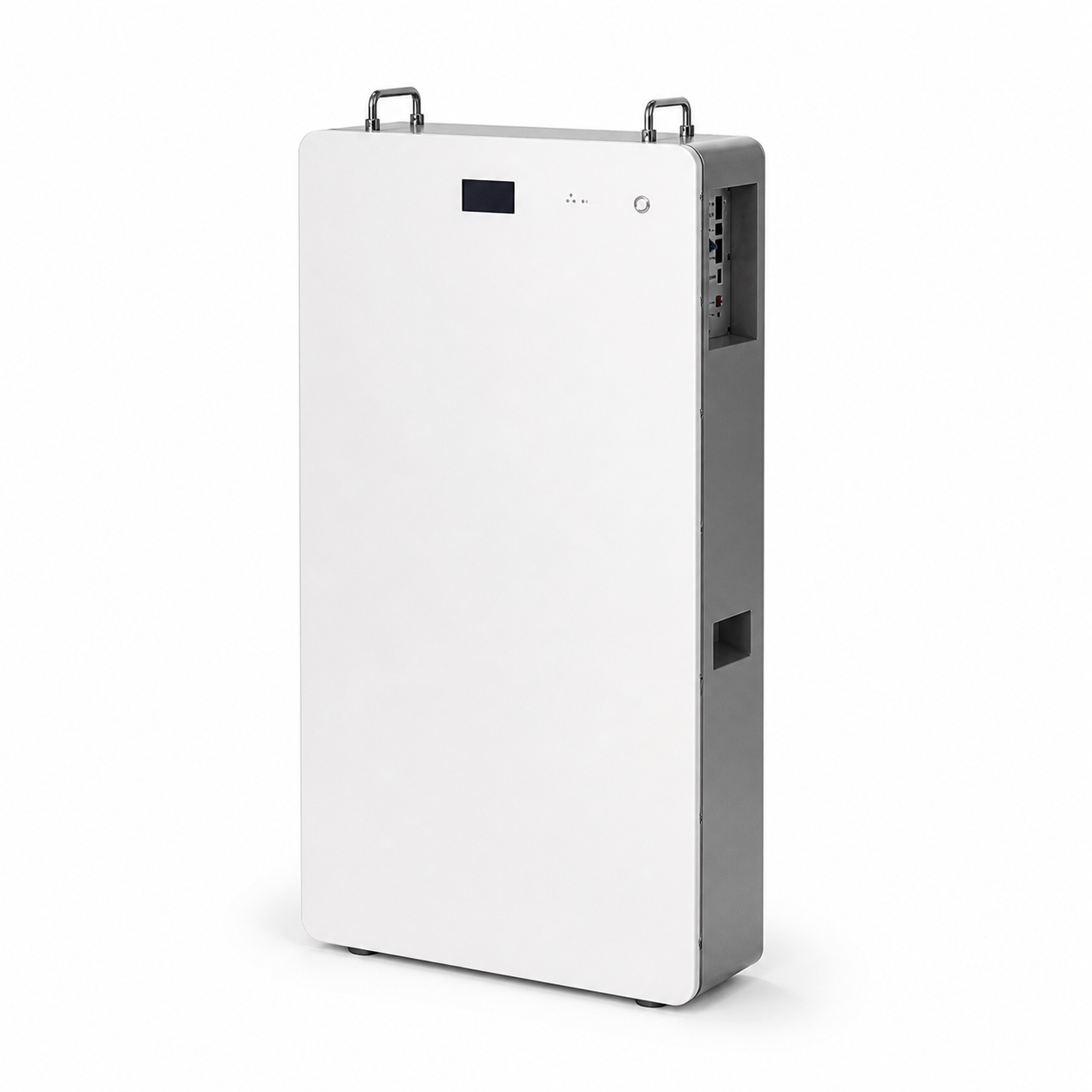
Runtime starts with the load—not the amp-hour label.
UPS sizing requires the real output load, power factor, inverter efficiency, backup duration, cutoff behavior and battery discharge rate. A battery with the same nominal voltage and Ah can deliver a different usable runtime under high-rate discharge.
This category supplies batteries for backup applications. It does not imply supply of the complete UPS host, automatic compatibility with a named UPS brand, or permission to replace an installed lead-acid battery without the equipment owner’s review.
Start from a real configuration, then confirm the project version.
Reference models demonstrate available form factors and engineering experience. Current drawings, component revisions, documentation, MOQ and delivery terms are reconfirmed before quotation.
Safe Deep Cycle 12.8V 105Ah LiFePO4 Standby UPS Battery
- Model: SPF12V105-ST
- Nominal Voltage: 12.8V
- Nominal Capacity: 105Ah
960Wh 12.8V 75Ah LiFePO4 Battery Pack For UPS Backup Power
- Model: SPF12V75-SM
- Nominal Voltage: 12.8V
- Nominal Capacity: 75Ah (C5,25℃)
Safe Deep Cycle 12.8V 60Ah LiFePO4 High Rate Discharge Standby UPS Backup Battery
- Model: SPF12V60-SM
- Nominal Voltage: 12.8V
- Nominal Capacity: 60Ah (C5,25℃)
SPF48V100-SM 5kWh Rack Mounted Energy Storage Battery
- Item: SPF48V100-SM
- Cell Chemistry: LiFePO4
- Battery Energy: 5.12kWh
Rechargeable battery 48V 300Ah lifepo4 lithium ion battery pack for UPS
- Model: SPF48V300Ah
- Rated Capacity: 300Ah
- Nominal Voltage: 51.2V
Energy Storage System Rack Mounted Series
- Item: SPF48V100 / SPF48V150-4U / SPF48V200-5U
- Battery Energy: 5.12KWh / 7.68KWh / 10.24KWh
- Battery Voltage: 51.2V
Size the complete battery-to-UPS interface.
Load & runtime
Convert actual load and backup time into a usable-energy and discharge-rate requirement.
DC bus & charging
Check operating window, cutoff, charge/float behavior, recharge current and low-temperature rules.
Mechanical integration
Verify rack/cabinet fit, cable/busbar path, ventilation, access, mass and parallel configuration.
Control & validation
Define BMS signals, alarms, fault isolation, test conditions and host-system acceptance.
What we confirm before supply.
| UPS input | Brand/model, DC bus range, load, power factor, efficiency and required backup time. |
|---|---|
| Battery output | Voltage architecture, Ah/kWh, current/rate capability, cutoff and usable operating window. |
| Charging | Charge profile, maximum current, float behavior, recharge target and temperature interlocks. |
| Integration | Rack/cabinet, cables, protection, parallel strings, BMS communication and system monitoring. |
| Boundary | Battery model and documents are confirmed separately from UPS host certification and facility design. |
Questions purchasing teams ask.
Can I put a lithium battery in an existing UPS?
Only after the UPS manufacturer or responsible integrator confirms electrical, charging, mechanical, communication and certification compatibility. Voltage alone is not enough.
How do I calculate UPS lithium battery runtime?
Use the actual load, conversion losses, discharge rate, operating voltage window, temperature and reserve. A simple Ah comparison can misstate runtime.
Do you sell a complete UPS?
This category is for lithium battery products used with UPS and backup systems. Complete UPS supply is not assumed.
Need a lithium battery for a UPS project?
Send the UPS model, DC bus, load, runtime, cabinet, recharge target and quantity.