Lithium Battery Shipping Compliance
A company shipping process should control classification, UN38.3 and product evidence, packaging, marks, declarations, trained personnel, route, carrier approval, records and rule-version review.
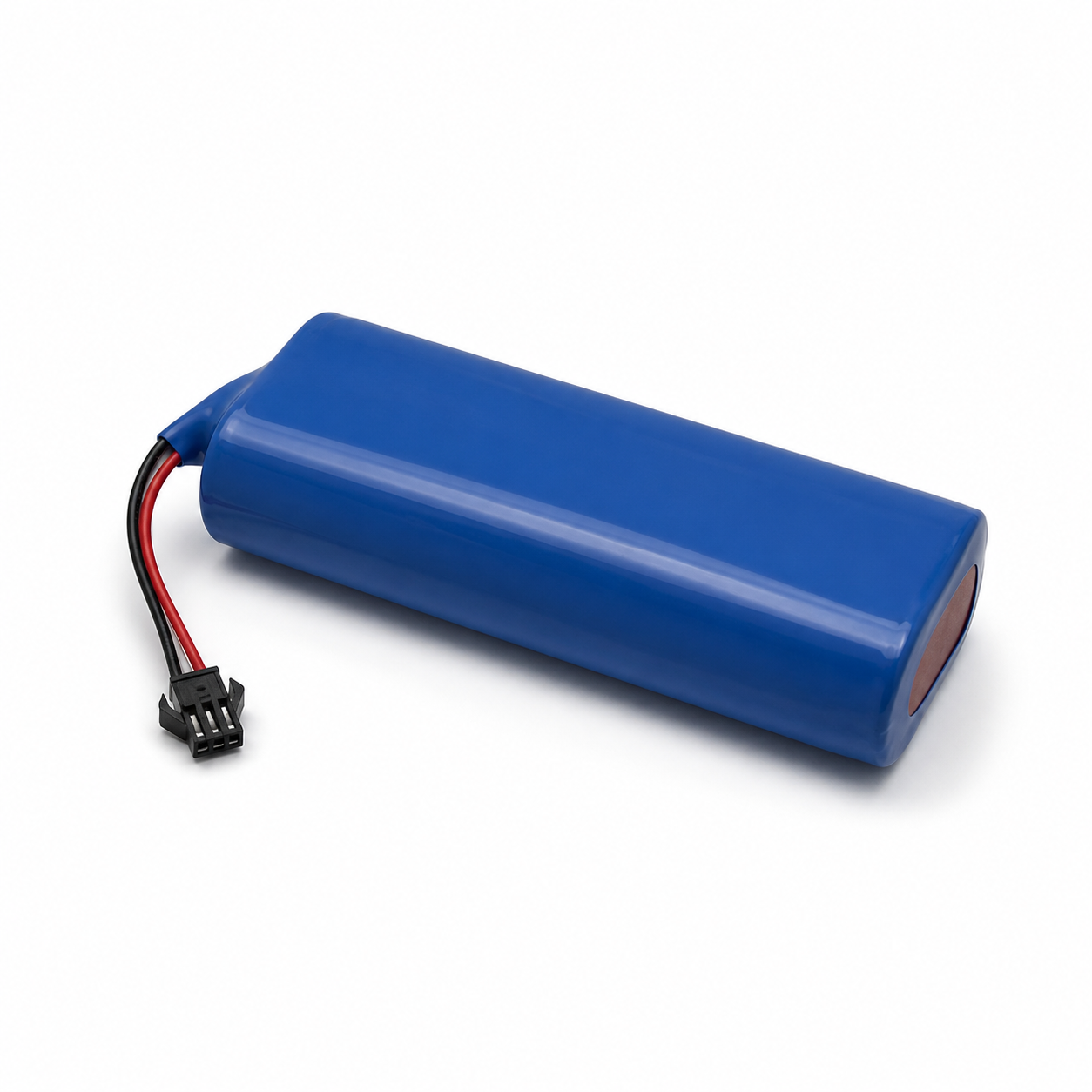
The answer depends on a controlled set of inputs.
A company shipping process should control classification, UN38.3 and product evidence, packaging, marks, declarations, trained personnel, route, carrier approval, records and rule-version review.
| First decision | UN classification and shipment form |
|---|---|
| Evidence | Exact model, Wh and UN38.3 traceability |
| Operational control | Packaging, trained personnel and carrier approval |
| Review cycle | Every rule edition, route or product change |
Use this four-gate review
Confirm chemistry, UN number, battery/equipment relationship, Wh and condition.
Prevent short circuit, movement, damage and unintended activation under the applicable instruction.
Match test-summary, marks, labels and declaration to the actual model and consignment.
Recheck rule edition, route, country and carrier acceptance before booking.
Procurement output
Record assumptions, model and revision, operating limits, responsibilities, evidence gaps and approval owners. The result should be a decision that engineering, quality, purchasing and logistics can review together.
Sources and scope
- IATA lithium battery resources — accessed September 3, 2026.
- PHMSA lithium battery guidance — accessed September 3, 2026.
Standards, carrier rules, prices and import requirements change. Confirm the current edition and the exact product, route and market before acting.
Turn the decision into a reviewable battery specification.
Send the application, voltage window, load, runtime, space, interfaces, environment, quantity, destination and required documents.