Best Battery Management System For Lithium Forklifts
A forklift BMS must coordinate cell sensing, current and temperature protection, contactors/precharge, charger, CAN/interlocks, fault states, logs and safe vehicle behavior.
By Batteries To Spec Technical Editorial Team · Updated September 3, 2026
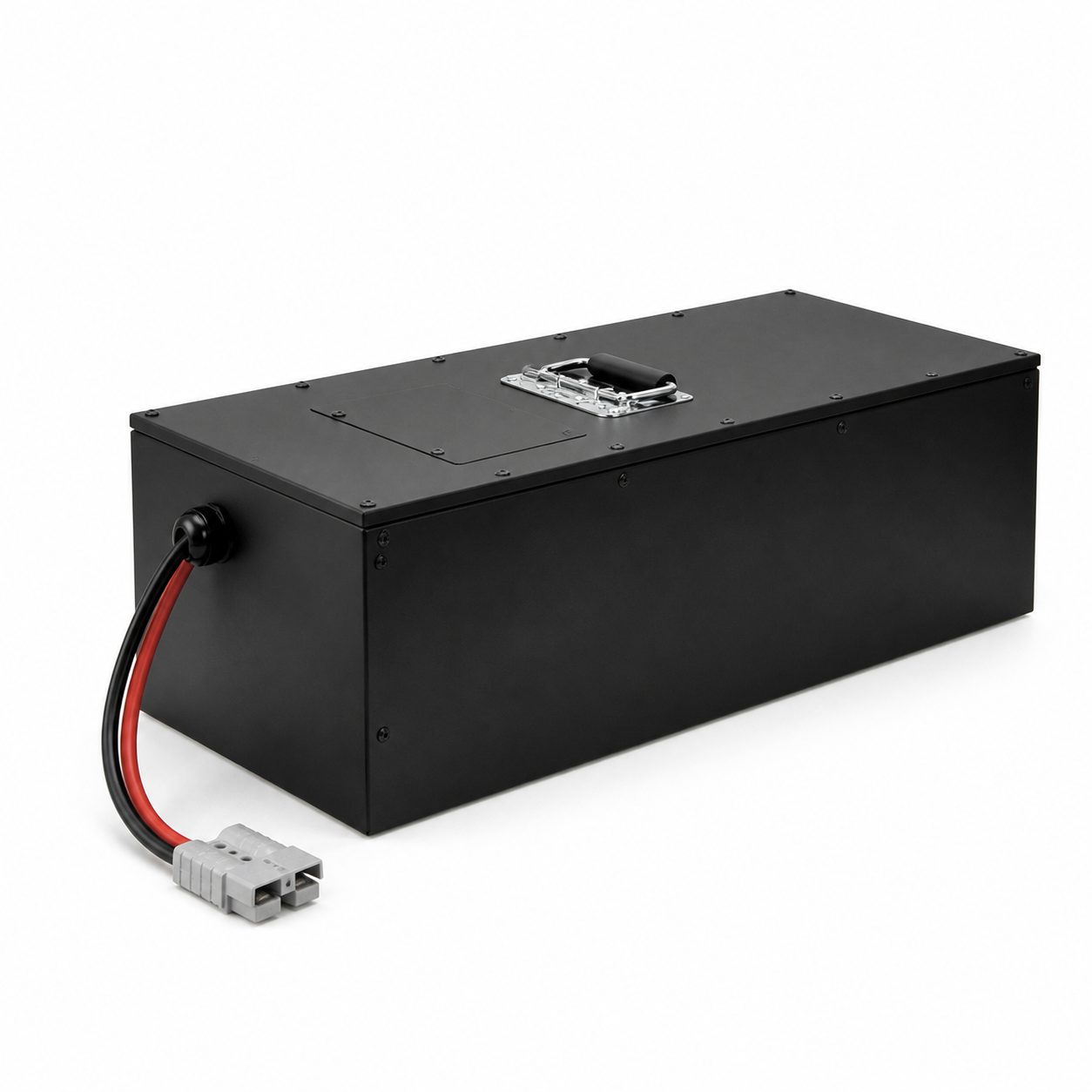
Resolve the decision before selecting a model.
A forklift BMS must coordinate cell sensing, current and temperature protection, contactors/precharge, charger, CAN/interlocks, fault states, logs and safe vehicle behavior.
| Mechanical | Tray, mass, center of gravity and restraint |
|---|---|
| Electrical | Voltage window, current peaks and usable shift energy |
| Control | BMS, charger, CAN/interlocks and diagnostics |
| Operations | Fleet data, service, training and emergency plan |
Practical review checklist
Verify truck model, tray, ballast, connector and vehicle interface.
Capture shifts, lift/drive peaks, breaks and required availability.
Coordinate charger power, opportunities, temperature and facility constraints.
Test communication, safe states, thermal behavior and operator workflow.
What to request from a supplier
Ask for a model-specific specification, electrical and mechanical limits, BMS or interface definition, current test evidence, document list, sample plan and change-control route. Keep open items visible rather than replacing them with a generic promise.
What this page does not prove
It does not certify an unnamed battery, approve a host system, guarantee a carrier route or establish a quotation without the exact model, destination and date.
Turn the decision into a reviewable battery specification.
Send the application, voltage window, load, runtime, space, interfaces, environment, quantity, destination and required documents.