DHL Dangerous Goods Lithium Batteries
DHL acceptance varies by division, service, route and account. Confirm UN classification, Wh, SOC, condition, packaging, marks, documents and written approval for the actual shipment.
By Batteries To Spec Technical Editorial Team · Updated September 3, 2026
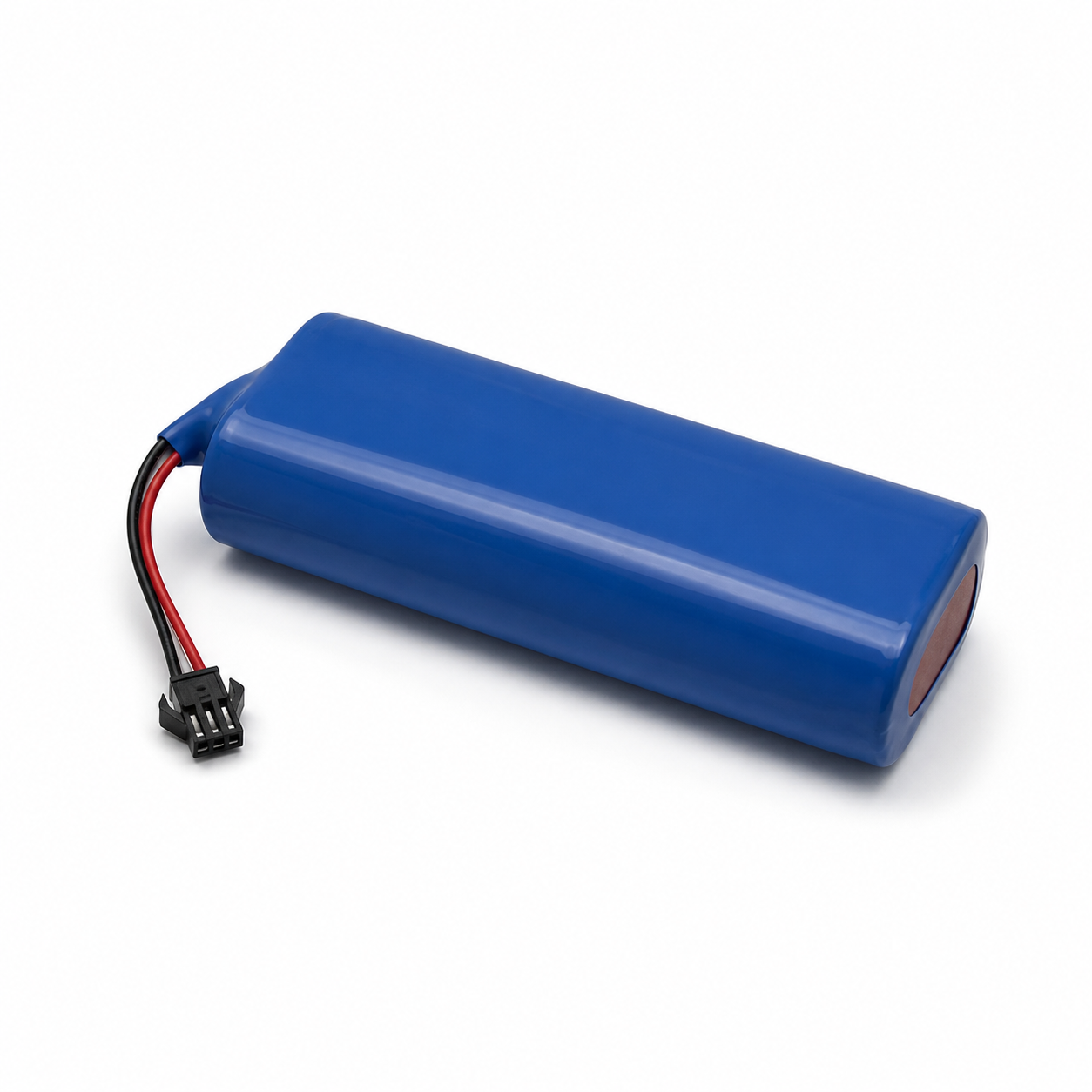
Resolve the decision before selecting a model.
DHL acceptance varies by division, service, route and account. Confirm UN classification, Wh, SOC, condition, packaging, marks, documents and written approval for the actual shipment.
| First decision | UN classification and shipment form |
|---|---|
| Evidence | Exact model, Wh and UN38.3 traceability |
| Operational control | Packaging, trained personnel and carrier approval |
| Review cycle | Every rule edition, route or product change |
Practical review checklist
Confirm chemistry, UN number, battery/equipment relationship, Wh and condition.
Prevent short circuit, movement, damage and unintended activation under the applicable instruction.
Match test-summary, marks, labels and declaration to the actual model and consignment.
Recheck rule edition, route, country and carrier acceptance before booking.
What to request from a supplier
Ask for a model-specific specification, electrical and mechanical limits, BMS or interface definition, current test evidence, document list, sample plan and change-control route. Keep open items visible rather than replacing them with a generic promise.
What this page does not prove
It does not certify an unnamed battery, approve a host system, guarantee a carrier route or establish a quotation without the exact model, destination and date.
Sources and scope
- IATA lithium battery resources — accessed September 3, 2026.
- PHMSA lithium battery guidance — accessed September 3, 2026.
Standards, carrier rules, prices and import requirements change. Confirm the current edition and the exact product, route and market before acting.
Turn the decision into a reviewable battery specification.
Send the application, voltage window, load, runtime, space, interfaces, environment, quantity, destination and required documents.