OEMs Safe Lithium Ion Battery Packs Healthcare Equipment
A medical-equipment battery is specified from device function, runtime, alarms, charging, connectors, service, traceability and verification. A battery certificate never substitutes for complete device approval.
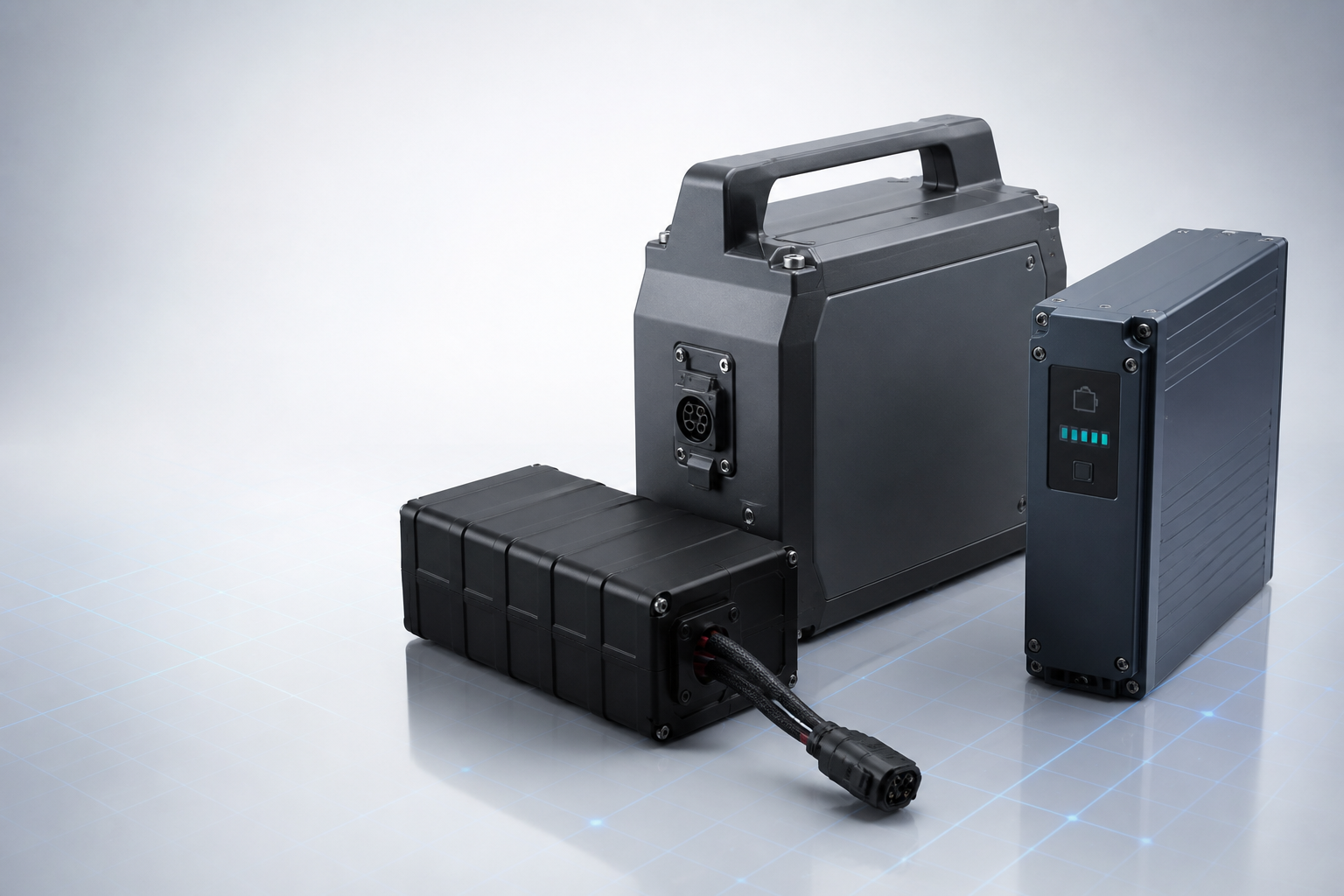
The answer depends on a controlled set of inputs.
A medical-equipment battery is specified from device function, runtime, alarms, charging, connectors, service, traceability and verification. A battery certificate never substitutes for complete device approval.
| First input | Application and measurable duty profile |
|---|---|
| Electrical | Voltage window, energy, continuous and peak current |
| Mechanical | Space, mass, mounting, connectors and environment |
| Commercial | Sample quantity, forecast, destination and evidence |
Use this four-gate review
Define the application, duty, voltage, runtime and environment.
Select cells, BMS, current path, enclosure and interfaces together.
Agree samples, test conditions, acceptance and documents.
Freeze BOM, drawings, configuration and change control.
Procurement output
Record assumptions, model and revision, operating limits, responsibilities, evidence gaps and approval owners. The result should be a decision that engineering, quality, purchasing and logistics can review together.
Turn the decision into a reviewable battery specification.
Send the application, voltage window, load, runtime, space, interfaces, environment, quantity, destination and required documents.