High Discharge Rate Lithium Iron Phosphate LiFePO4 Battery
Specify high-discharge LiFePO4 with a current-time profile, voltage-sag limit, temperature, cooling, BMS and interconnect capability, pulse repetition and life target.
By Batteries To Spec Technical Editorial Team · Updated September 3, 2026
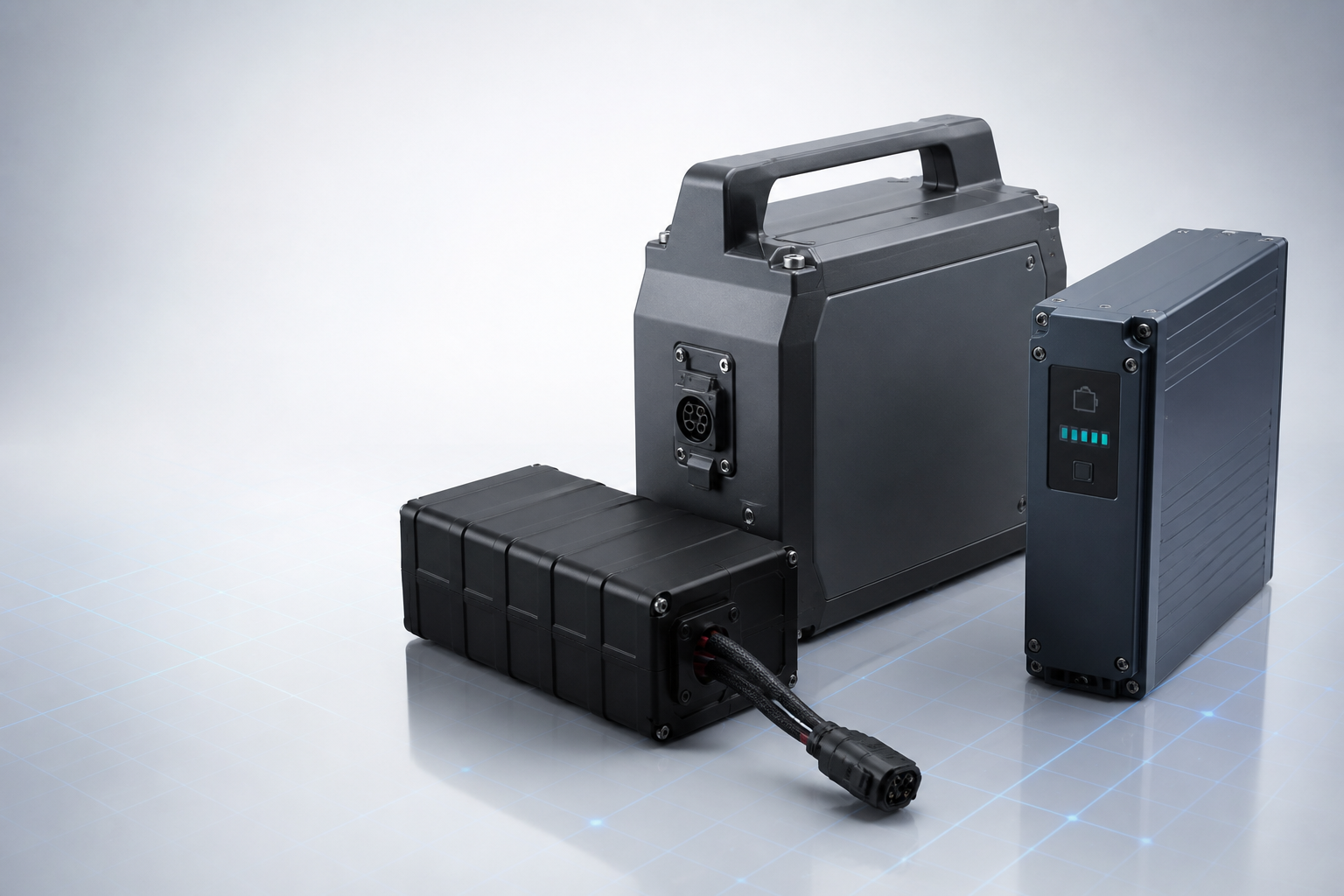
Resolve the decision before selecting a model.
Specify high-discharge LiFePO4 with a current-time profile, voltage-sag limit, temperature, cooling, BMS and interconnect capability, pulse repetition and life target.
| Charger role | Controlled voltage and current delivery |
|---|---|
| BMS role | Monitoring, protection and permission/limits where designed |
| Compatibility | Exact battery/charger combination |
| Storage | Separate maintenance strategy from normal charging |
Practical review checklist
Confirm cell system, series count and voltage limits.
Define precharge if applicable, CC, CV and termination.
Set sensing, inhibit and derating behavior.
Validate charger, BMS and host under normal and fault cases.
What to request from a supplier
Ask for a model-specific specification, electrical and mechanical limits, BMS or interface definition, current test evidence, document list, sample plan and change-control route. Keep open items visible rather than replacing them with a generic promise.
What this page does not prove
It does not certify an unnamed battery, approve a host system, guarantee a carrier route or establish a quotation without the exact model, destination and date.
Sources and scope
- Analog Devices Li-ion charger testing — accessed September 3, 2026.
Standards, carrier rules, prices and import requirements change. Confirm the current edition and the exact product, route and market before acting.
Turn the decision into a reviewable battery specification.
Send the application, voltage window, load, runtime, space, interfaces, environment, quantity, destination and required documents.