IATA lithium battery air shipping regulations: classify before choosing a packing path.
A 2026 procurement overview aligned to the IATA Dangerous Goods Regulations 67th edition and current IATA battery guidance.
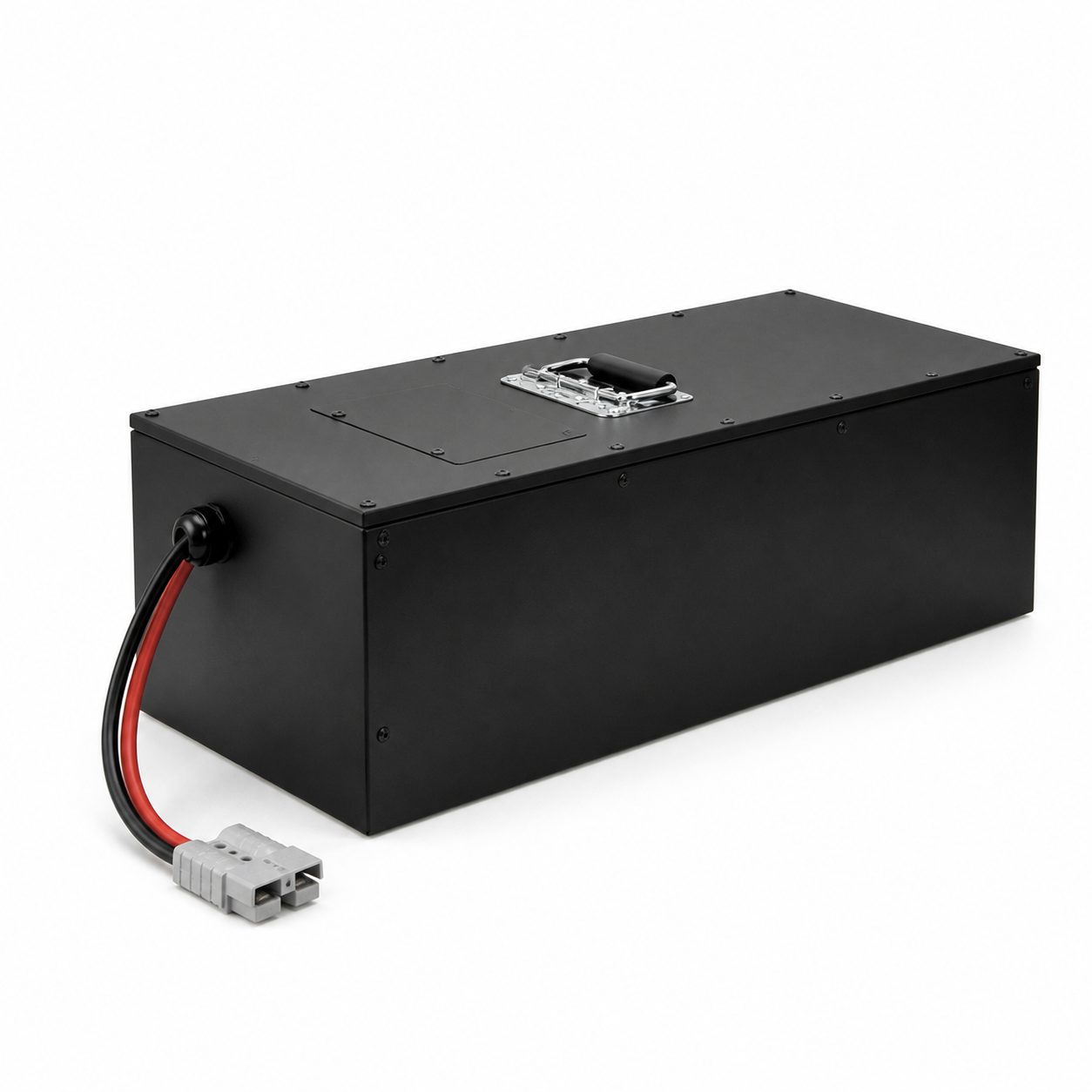
Start with chemistry, UN number and shipment form—not the label artwork.
For 2026 air shipments, identify lithium-ion or lithium-metal chemistry; whether batteries ship alone, packed with equipment or contained in equipment; the applicable UN number; Wh rating or lithium content; battery condition; state of charge where applicable; and whether the consignment uses a fully regulated or eligible exception/Section II path.
Only then select the applicable packing instruction, quantity limits, packaging, marks/labels, documentation, training and operator variations. The current IATA Battery Guidance Document is explanatory and does not replace the full DGR, national rules or airline acceptance.
Use the four principal UN/shipment combinations correctly.
The final packing instruction depends on the exact facts and current rules.
| UN 3480 | Lithium-ion batteries shipped by themselves. |
|---|---|
| UN 3481 | Lithium-ion batteries packed with equipment or contained in equipment. |
| UN 3090 | Lithium-metal batteries shipped by themselves. |
| UN 3091 | Lithium-metal batteries packed with equipment or contained in equipment. |
| Condition | Damaged, defective, recalled, waste or prototype/low-production batteries require separate qualified analysis. |
Determine the applicable packing instruction and section from the classification.
Do not infer eligibility from package size or a historical shipment.
Limits
Check cell/battery ratings, quantity, package mass and aircraft restrictions under the current instruction.
State of charge
Apply applicable SOC restrictions and document the control method.
Packaging
Prevent short circuits, movement, damage and unintended activation; use required tested packaging where applicable.
Marks/documents
Apply the current marks/labels, declarations or air waybill statements and retain supporting evidence.
Manufacturer evidence does not replace the shipper’s classification and declaration.
Each party should know its task.
| Manufacturer/supplier | Provide accurate model data, Wh, chemistry and applicable UN 38.3 test-summary evidence. |
|---|---|
| Shipper | Classify, package, mark, label and document the actual consignment with trained personnel. |
| Freight forwarder | Plan the route and handling but should not silently inherit missing product facts. |
| Operator/carrier | Apply operator variations and decide acceptance for the route and service. |
| Consignee/importer | Coordinate destination customs, market and receiving requirements separately from IATA. |
Review the exact shipment immediately before booking.
A previous acceptance does not guarantee the next operator, route or rule version.
Model evidence
Match manufacturer, battery model/type, Wh and UN 38.3 test summary.
Package data
Confirm count, net quantity/mass, equipment relationship, protection and labels.
People & documents
Verify current training, declaration/air waybill needs and record retention.
Route & operator
Check origin/transit/destination rules, passenger/cargo aircraft limits and operator variations.
Practical procurement questions.
What are the IATA lithium battery rules for 2026?
They use the 67th edition DGR framework. The applicable requirements depend on chemistry, UN number, shipment form, Wh/lithium content, SOC, quantity, condition, packing instruction and operator variations.
Can lithium-ion batteries be shipped by air at any state of charge?
No universal statement applies to every shipment form. SOC restrictions are especially important for batteries shipped alone; check the current packing instruction and operator rules.
Is UN 38.3 enough to ship by air?
No. It is one evidence requirement. Classification, packaging, quantity limits, marks/labels, documentation, training, route and carrier acceptance still apply.
Does this page replace the IATA DGR?
No. It is a planning guide. Use the official current rules and trained dangerous-goods personnel for the actual shipment.
Official references used for this guide.
Always confirm the current rule, exact model and destination before relying on a document.
- IATA Battery Guidance Document, 2026 — classification and packing-path guidance for the 2026 air-shipping cycle; it does not replace the DGR.
- IATA lithium batteries topic page — current IATA notices and guidance entry points.
- PHMSA Lithium Battery Guide 2024 — official U.S. guidance on classification, UN 38.3 test summaries and shipper responsibilities.
- UNECE Manual of Tests and Criteria, Revision 8 — the UN 38.3 testing framework and battery-type change boundaries.
Need model information for a battery shipment?
Send the exact battery, quantity, shipment form, destination and document request for review.