Lithium battery import compliance: a product, country and date-specific workflow.
A country-neutral framework for B2B importers evaluating a manufacturer, exact battery model, destination obligations and dangerous-goods transport.
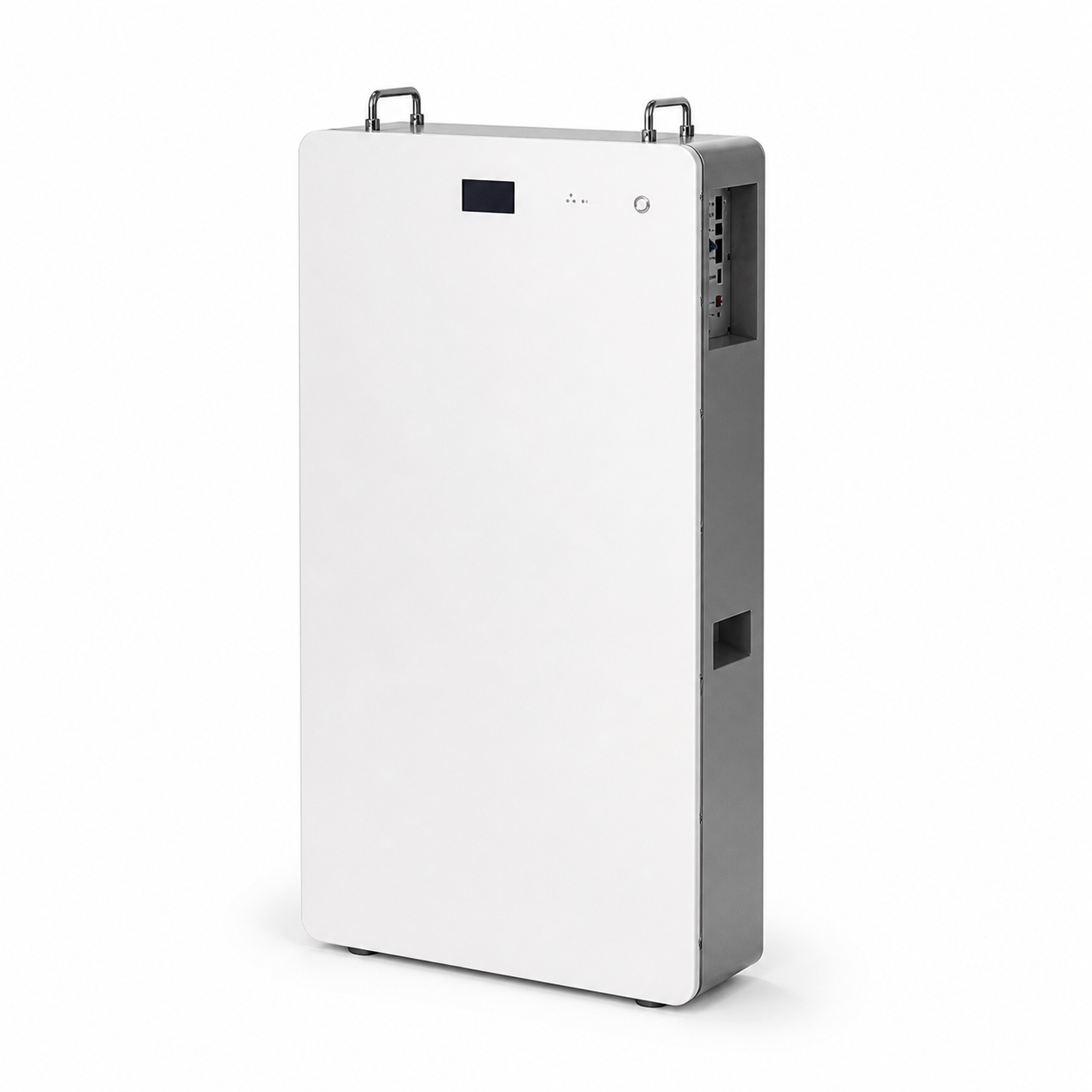
The importer must connect the manufacturer’s evidence to the exact product and destination.
Verify the supplier and production controls; freeze the product specification; approve samples; confirm transport and market documents against the exact manufacturer, model and revision; classify the product for customs and destination rules; define parties under the Incoterm; and qualify the dangerous-goods shipment.
Rules must be checked in a matrix of country, product, battery/equipment relationship and effective date. A generic certificate bundle or a document from a similar model is not a substitute for that analysis.
Verify the legal supplier, production scope and change-control route.
A polished catalogue does not prove who owns the specification or controls the production configuration.
| Identity | Legal entity, site, manufacturing scope, commercial exporter and responsible contacts. |
|---|---|
| Technical control | Who selects cells/BMS, owns drawings and software, approves substitutions and handles nonconformity. |
| Quality system | Incoming controls, traceability, production tests, inspection records and change notification. |
| Capacity & continuity | Real process capability, approved alternates, forecast planning and lifecycle support. |
Freeze the product before comparing documents and quotations.
Documents, samples and production units must point to the same controlled model.
Electrical
Chemistry, voltage window, capacity/energy, current, charging, protection and communication.
Mechanical
Drawing, enclosure, dimensions, mass, connectors, cable, mounting and environment.
Documents
Exact manufacturer/model/version relationship across test summary, SDS and market evidence.
Commercial
Sample, pilot, production quantity, packaging, Incoterm, inspection and change control.
Map destination responsibilities before shipment.
There is no universal global import licence or document bundle.
| Product classification | Determine the product, battery/equipment relationship and destination-specific HS/tariff treatment. |
|---|---|
| Market access | Identify importer/producer responsibilities, product rules, labelling, registration or EPR obligations where applicable. |
| Dangerous goods | Classify chemistry, UN number, alone/packed with/contained in equipment, Wh, SOC and transport mode. |
| Terms & parties | Assign exporter/importer of record, customs data, freight, insurance, duties and inspection under the agreed Incoterm. |
| Current-date check | Reconfirm country, product and rule version with qualified customs/compliance advisers and carriers. |
Connect samples, inspection and shipping evidence to production.
The evidence chain is only useful if it remains tied to the product shipped.
Approve samples
Test the actual equipment interface and agreed acceptance criteria.
Pre-shipment check
Verify quantity, model/labels, configuration, test records, packaging and document set.
DG booking
Use a qualified dangerous-goods route and obtain carrier/operator acceptance for the actual shipment.
Retain traceability
Keep purchase, configuration, inspection, transport and change records for repeat orders.
Practical procurement questions.
Do lithium batteries need an import licence?
There is no universal answer. The product, destination, use, regulated category and importer status determine licences, registrations or approvals; check the current local rules.
Is an SDS enough for customs and shipping?
No. An SDS describes hazards and handling but does not replace UN 38.3 evidence, customs classification, product compliance or carrier acceptance.
Can a supplier’s certificate cover all models?
Not automatically. Confirm the legal manufacturer, product family/model, configuration, report scope, version and current validity against the exact goods.
Official references used for this guide.
Always confirm the current rule, exact model and destination before relying on a document.
- UNECE Manual of Tests and Criteria, Revision 8 — the UN 38.3 testing framework and battery-type change boundaries.
- PHMSA Lithium Battery Guide 2024 — official U.S. guidance on classification, UN 38.3 test summaries and shipper responsibilities.
- IATA Battery Guidance Document, 2026 — classification and packing-path guidance for the 2026 air-shipping cycle; it does not replace the DGR.
Need model-specific supplier documents?
Share the exact battery, destination, route, quantity and your importer document checklist.